

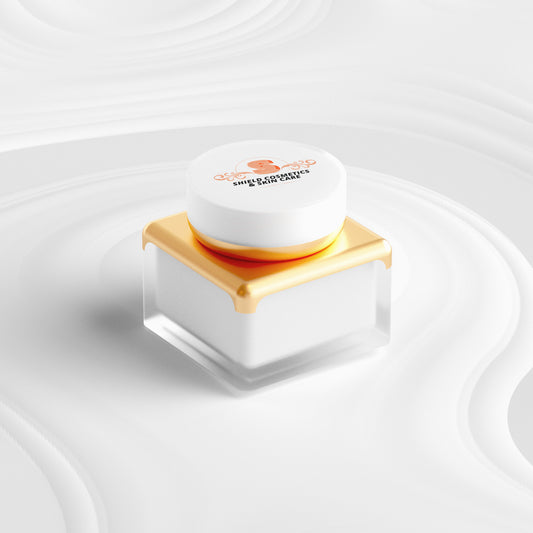


How to Fade Dark Spots That Won’t Budge
That one mark left behind after a breakout can hang around far longer than the breakout itself. If you are wondering how to fade dark spots without stressing your skin, the answer is usually not one miracle product - it is the right mix of brightening ingredients, consistency, and daily protection.
Dark spots can make skin look uneven, tired, or older than it feels. The good news is that many of them do respond well to at-home care, especially when you catch the cause and treat your skin gently. Fast fixes tend to backfire here. A calmer, more consistent approach is what brings out that clearer, more radiant look.
What causes dark spots in the first place?
Dark spots happen when your skin produces extra melanin in certain areas. This can show up after acne, bug bites, irritation, sun exposure, or even hormonal changes. You might hear them called post-acne marks, sun spots, age spots, or hyperpigmentation.
Not every spot is the same, and that matters. A fresh post-breakout mark may fade faster than deeper sun damage. Hormone-related discoloration can also be more stubborn and may return if skin is not protected carefully. That is why two people can use the same product and get very different results.
The biggest trigger behind many dark spots is sunlight. Even a little unprotected exposure can make existing spots look darker and keep new ones forming. If you do everything else right but skip sun protection, progress usually slows down.
How to fade dark spots with the right routine
If your goal is smoother, brighter, more even-looking skin, keep your routine simple enough to follow every day. A crowded routine can irritate the skin and make discoloration worse.
Start with a gentle cleanser
Harsh cleansing does not scrub away dark spots. It usually just weakens your skin barrier and leaves your complexion more reactive. Use a cleanser that removes makeup, sunscreen, and oil without leaving your skin tight or squeaky.
When skin feels balanced, brightening products are more likely to work the way they should. This is especially important if your skin is sensitive or tends to react to fragrance, acids, or strong treatments.
Add one or two brightening ingredients
This is where real change starts to happen. Look for ingredients known to support a more even tone, such as vitamin C, niacinamide, licorice root, kojic acid, alpha arbutin, or gentle exfoliating acids.
Vitamin C is a favorite for good reason. It helps brighten dull skin, supports a fresh glow, and works well in the morning under sunscreen. Niacinamide is another strong option if you want something gentle that can help improve uneven tone while supporting the skin barrier.
If your dark spots are more noticeable, ingredients like kojic acid or alpha arbutin may be worth trying. These can be effective, but they still require patience. Use one new treatment at a time so you can actually tell what your skin likes.
Exfoliate, but do not overdo it
Exfoliation can help fade surface discoloration by encouraging skin renewal. The catch is that too much exfoliation can create more inflammation, and inflammation often leads to more discoloration.
A gentle chemical exfoliant used a few times a week is usually a better choice than rough scrubs. Lactic acid and glycolic acid are common picks for improving texture and tone. If your skin is easily irritated, start slowly. More is not better here.
Moisturize like it matters
A healthy glow does not come from drying out your skin. A good moisturizer helps keep your barrier strong, reduces the chance of irritation, and supports a smoother, more even appearance over time.
This step matters even if your skin is oily. When skin gets stripped, it can become more reactive, and reactive skin is harder to treat. Hydrated skin tends to look plumper, calmer, and more luminous.
Never skip sunscreen
If you remember only one thing about how to fade dark spots, make it this. Daily sunscreen is non-negotiable. Without it, dark spots can deepen, linger longer, and return more easily.
Choose a broad-spectrum sunscreen and apply it every morning, even when the weather looks mild. If you spend time outdoors, reapply. This step protects the progress your skincare is trying to create.
The ingredients that are worth your attention
You do not need a shelf full of treatments. You need ingredients that make sense for your skin.
Vitamin C is ideal if you want brightness and antioxidant support. Niacinamide works beautifully for many skin types because it helps with tone, texture, and overall balance. Alpha arbutin is often chosen for targeted discoloration. Kojic acid can be helpful for stubborn spots but may feel strong on sensitive skin. AHAs like glycolic or lactic acid help lift away dull surface cells and can improve the look of lingering marks.
Retinol can also help fade discoloration over time by encouraging cell turnover. It is powerful, but it can also be irritating if introduced too quickly. If your skin is already dry or sensitive, start carefully and avoid pairing it with too many strong actives on the same night.
There is always a trade-off. Stronger products may work faster for some people, but gentler formulas are often easier to stick with and less likely to trigger redness or peeling. Consistency beats intensity most of the time.
What can slow your results down?
Sometimes dark spots seem impossible to fade because the skin is getting irritated over and over again. Picking at blemishes, using aggressive scrubs, layering too many acids, or trying every trending treatment at once can all keep the cycle going.
Heat and sun exposure are also common setbacks. So is skipping sunscreen because your makeup has SPF in it. Makeup with SPF can be a nice extra, but it usually is not enough on its own.
Another issue is expecting overnight change. Dark spots fade gradually. Some lighter marks may improve within a few weeks, while deeper discoloration can take a few months or longer. The skin renews on its own schedule.
How to choose a routine for your skin type
If your skin is sensitive, keep your approach gentle and focused. A calming cleanser, niacinamide, moisturizer, and sunscreen may be a better starting point than a strong acid routine. You can always build from there.
If your skin is oily or breakout-prone, lightweight serums and gel moisturizers can help you stay consistent without feeling heavy. In that case, ingredients like niacinamide, vitamin C, and mild exfoliating acids often fit well.
If your skin is dry or mature, hydration becomes even more important. Brightening treatments tend to work better when the skin is nourished, not flaky. Cream-based formulas and supportive ingredients can make your routine feel more comfortable and more effective.
For those dealing with stubborn post-acne marks, spot-targeting products can help, but the full routine still matters. Cleanse gently, treat consistently, moisturize well, and protect daily. That is how visible transformation happens.
When to be patient and when to get extra help
Some dark spots respond beautifully to over-the-counter care. Others may need more time or a professional opinion. If a spot changes shape, bleeds, feels unusual, or does not seem to match the rest of your discoloration, it is smart to have it checked.
For deeper or long-standing pigmentation, in-office treatments may sometimes be recommended. That does not mean your home routine failed. It just means some discoloration sits deeper in the skin and needs a stronger approach.
Still, many people can get noticeable improvement from a thoughtful at-home routine. Affordable, gentle skincare has come a long way, and brands like Shield Cosmetics & Skincare make it easier to build a routine that feels nourishing, effective, and realistic for everyday life.
Small habits that help dark spots fade faster
Your daily choices matter more than occasional treatment masks. Try not to pick at pimples or scratch healing skin. Be careful with harsh hair removal methods around the face. If you use active ingredients, introduce them slowly instead of layering everything at once.
It also helps to be consistent with your routine even when your skin starts improving. People often stop too soon, then wonder why discoloration lingers. Keep going long enough for your skin to fully renew and reveal that brighter, more even tone.
Clearer-looking skin is rarely about being harsh with yourself. It is about treating your skin with patience, protection, and ingredients that support the glow you are already building.