



Natural Makeup for Mature Skin That Glows
That moment when foundation settles where your skin never used to crease can make your whole routine feel off. The good news is that natural makeup for mature skin is not about covering more. It is about choosing softer textures, better prep, and light-reflective layers that let skin look fresh, smooth, and beautifully alive.
Mature skin has different priorities than it did ten or twenty years ago. It often needs more hydration, more flexibility, and less heaviness. A full-coverage formula that once looked polished can now read flat, dry, or uneven by midday. The shift is not about giving up makeup. It is about using makeup in a way that works with your skin instead of against it.
Why natural makeup for mature skin looks better
Natural makeup tends to flatter mature skin because it respects texture. Skin changes over time, and that is completely normal. Fine lines, dryness, loss of firmness, and changes in tone can all affect how products sit. Heavy powders and thick formulas can cling to dry patches or settle into lines, while lightweight, nourishing formulas move more naturally with the skin.
This is where ingredient choice matters. Products made with gentle, skin-friendly ingredients often feel more comfortable throughout the day. They can help support a radiant finish instead of creating a mask-like effect. For many women, that means a BB cream instead of a matte foundation, a cream blush instead of a dry powder, and a hydrating lip color instead of anything that pulls moisture away.
There is also a confidence factor. Natural-looking makeup does not ask your skin to pretend to be twenty-five. It enhances what is already there - your bone structure, your warmth, your expression, your glow. That usually looks more youthful than chasing a perfectly airbrushed finish.
Start with skin prep, not coverage
If makeup has been looking tired by lunch, the problem may not be the makeup itself. It may be what is happening underneath it.
Mature skin responds beautifully to thoughtful prep. A nourishing moisturizer helps soften surface dryness so makeup applies more evenly. If your skin tends to feel dull, a serum that adds hydration can bring back bounce and light before you touch any complexion product. This step matters because natural makeup only looks natural when skin has enough moisture to support it.
Primer can help, but it depends on the formula. Some primers are too silicone-heavy and can pill or emphasize texture. Others create a smoother, more flexible base. If enlarged pores are your main concern, use a small amount only where needed instead of all over. If dryness is the bigger issue, a hydrating primer or glowy base is usually a better fit.
The goal is not to create a perfectly blank canvas. It is to create a comfortable, well-moisturized surface so your makeup melts in instead of sitting on top.
Choose complexion products with a lighter touch
The biggest shift for many women is moving away from full-coverage thinking. More pigment is not always more flattering. In fact, lighter formulas often create a more even, youthful look because they keep the natural dimension of the skin visible.
A sheer foundation, tinted moisturizer, or BB cream is often the sweet spot. These products can blur uneven tone while still letting your skin look like skin. A satin or natural finish usually works best. Very matte formulas can make the face look flat, while overly dewy formulas may slide around or collect in lines. Somewhere in the middle is where skin tends to look healthiest.
Concealer should also be strategic. Instead of applying a thick triangle under the eyes, use a small amount only where darkness or discoloration is strongest. Blend gently and stop once the area looks brighter. Too much product under the eyes almost always makes lines more visible.
If redness, sun spots, or uneven tone are part of your concern, spot-concealing can be more flattering than adding another layer of foundation everywhere. It gives a polished result without the weight.
The best finish is not too matte or too shiny
This is one of the most common balancing acts with natural makeup for mature skin. A little luminosity brings life to the face, but too much shine can highlight texture. A soft radiant finish is usually the most forgiving.
Cream and liquid products tend to help because they blend into the skin more easily. They can mimic the look of natural moisture instead of sitting dry on the surface. If you prefer powder, use it sparingly and only where you need staying power, like around the nose or center of the forehead.
Bring back color where skin naturally loses it
As skin matures, it can lose some of its natural flush and contrast. That is why blush becomes more important, not less. The right blush can wake up the whole face in seconds.
Cream blush is often especially flattering because it gives color and softness at the same time. Peach, rose, and warm pink tones tend to look fresh and healthy on a wide range of skin tones. The placement matters too. Instead of applying it too low, blend it slightly upward and outward for a lifted effect.
Bronzer can help, but it should be subtle. The goal is warmth, not harsh contour. A soft wash around the perimeter of the face can make the complexion look more vibrant. If contour feels too sharp or complicated, skip it. Mature skin often looks better with gentle warmth than with strong sculpting.
Highlighter is another it-depends step. Frosty or glittery formulas can emphasize texture. A cream illuminator with a refined sheen is more forgiving. Dab a little on the high points of the cheeks if you want extra radiance, but keep it soft.
Eye makeup should define, not harden
Eyes are often where makeup either lifts the face beautifully or starts to feel aging. The difference usually comes down to texture and intensity.
Powder shadows can work, but very dry or overly shimmery formulas may draw attention to crepey lids. Cream shadows or silky powders in neutral, soft-focus tones tend to be easier to blend and more flattering. Taupe, soft brown, bronze, mauve, and muted plum can add definition without looking heavy.
Eyeliner does not need to disappear, but the approach often changes. A thick, harsh black line can close the eye and feel severe. A softer brown, charcoal, or smudged liner near the lash line usually defines the eyes in a gentler way. Mascara helps open the eyes, especially when it adds length and lift without clumping.
Brows matter more than many people realize. As brows thin or lose shape, the whole face can look less defined. Filling them lightly with small strokes can restore balance and frame the eyes. The trick is to keep the effect soft, never blocky.
Lips look fuller with hydration and the right color
Dry lips can make even the prettiest lipstick feel less wearable. That is why prep counts here too. A smooth, conditioned lip holds color better and looks healthier.
Cream lipsticks, tinted balms, and nourishing glosses are often the best match for mature lips. They add color without exaggerating dryness. Very matte lipstick can still work, but it usually needs more prep and may not feel as comfortable for all-day wear.
Color choice can make a surprising difference. Shades that are too pale may wash out the face, while shades that are too dark can make lips look smaller. Rosy nudes, berry tones, warm pinks, and soft corals often bring brightness back in a flattering way. A touch of liner can help define the shape if lips have lost some natural border over time.
Common mistakes that make makeup look older
Most makeup mistakes on mature skin come from using too much product or using the wrong texture. Thick foundation, excess powder, heavy under-eye concealer, glittery highlighter, and very dark eye makeup can all add years instead of creating polish.
Another common issue is hanging on to an old routine even when your skin has changed. What worked in your thirties may not be the formula, finish, or color that serves you best now. Updating your routine is not about rules. It is about giving your skin what it needs today.
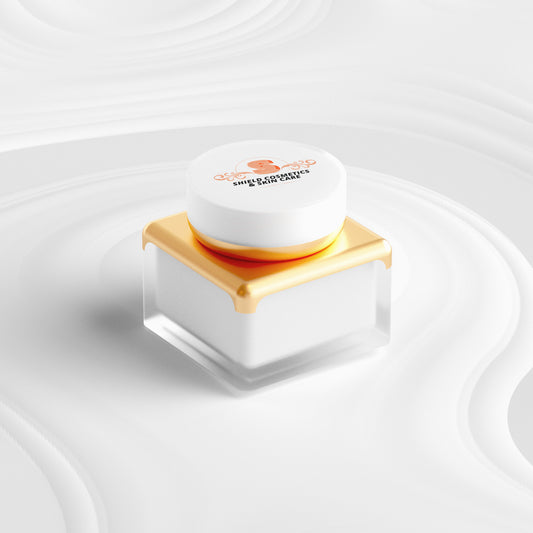
Affordable products can absolutely deliver beautiful results if the formulas are nourishing, blendable, and comfortable to wear. That is where brands like Shield Cosmetics & Skincare connect with real daily needs - makeup that feels gentle, looks radiant, and fits into a practical routine without the luxury markup.
Build a routine that feels easy to wear
The most flattering routine is one you actually enjoy doing. For some women, that means a five-minute face with BB cream, cream blush, brow definition, mascara, and a hydrating lip color. For others, it means a few extra steps for more polish. Both can be right.
What matters is that your makeup feels supportive, not frustrating. If a product makes your skin feel tight, looks cakey after an hour, or seems to magnify texture, let it go. Mature skin often responds best to makeup that nourishes while it enhances.
Radiance does not have to come from a complicated routine or a heavy hand. It can come from moisture, softness, and products that let your features shine through. When makeup feels comfortable and looks like healthy skin, confidence follows naturally.
Give yourself room to adjust, edit, and choose what feels beautiful now. The best natural makeup look is not the one that hides your age. It is the one that lets your skin look cared for, vibrant, and fully yours.