

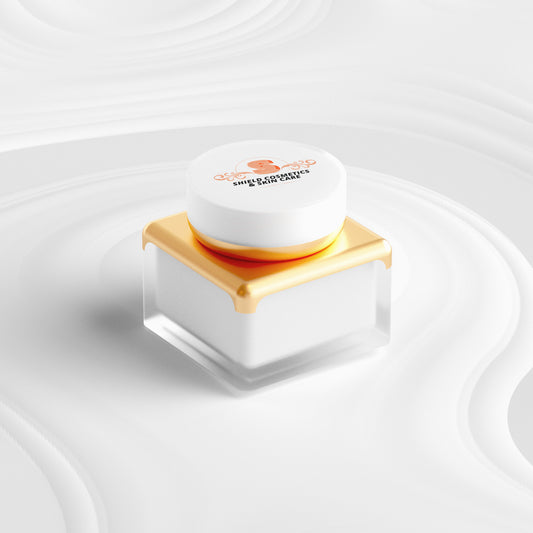


Does Anti Aging Skin Care Work?
You can spend $12 or $120 on a jar that promises smoother, firmer, younger-looking skin - and that gap alone is enough to make anyone ask, does anti aging skin care work? The honest answer is yes, but not in the magical, overnight way beauty marketing sometimes suggests. Good anti-aging skin care can absolutely improve how your skin looks and feels. It can soften the look of fine lines, support hydration, brighten dullness, and help skin appear more even and refreshed. What it cannot do is stop time or replace procedures designed for deeper structural change.
That distinction matters. If your goal is healthier, more radiant skin that looks cared for and resilient, skin care can make a visible difference. If your goal is to erase every wrinkle completely, the results will feel less dramatic. The best routines live in the middle - realistic, consistent, and built around ingredients that support skin over time.
Does anti aging skin care work for everyone?
It works for most people, but not in the same way for everyone. Skin type, age, lifestyle, sun exposure, hormones, stress, and consistency all shape the outcome. Someone in their late 20s using preventive products may notice lasting softness and brightness. Someone in their 50s with dryness and loss of firmness may see smoother texture and a more nourished look, but still have visible lines.
That does not mean the products failed. It means skin care is improving the condition of the skin you have rather than turning it into entirely different skin. This is actually good news, because it puts the focus on what really creates a beautiful result - stronger moisture balance, better texture, more glow, and skin that feels supported instead of stripped.
Anti-aging care is also not only about wrinkles. Many people first notice aging through dullness, dehydration, rough patches, uneven tone, or makeup that no longer sits smoothly. A well-chosen routine can help with all of those concerns, often making skin look younger even before any fine lines visibly soften.
What anti-aging skin care can realistically do
The most effective products tend to work in a few clear ways. They help skin hold onto moisture, which immediately improves plumpness and softness. They encourage smoother texture, which can make lines look less pronounced. They support a brighter, more even-looking complexion. And with steady use, they can help skin feel firmer and more resilient.
Hydration is the fastest win. When skin is dry, lines show up more sharply and the complexion can look tired. A nourishing cream or serum can give the skin a fuller, healthier look surprisingly quickly. That is not fake or superficial - hydrated skin simply performs better and reflects light more beautifully.
Longer-term results come from ingredients that support renewal and barrier health. These are the formulas that gradually improve tone, texture, and the overall appearance of aging. The catch is that they need time. Many people give up too early, then decide nothing works.
Why some anti-aging products disappoint
The biggest reason people feel let down is expectation. A product may genuinely improve the skin, but if the promise in your mind is facelift-level transformation, even a good result can feel small.
The second issue is inconsistency. Anti-aging skin care is more like fitness than a one-time treatment. Using a serum for four days, skipping a week, then trying a different cream will not show you what that formula can really do. Skin responds to routines, not random effort.
The third issue is formula mismatch. Rich creams can feel amazing on dry or mature skin but may overwhelm oily or breakout-prone skin. Strong actives may help one person and irritate another. When skin gets irritated, it often looks more textured, red, and tired - the opposite of what anyone wants.
And then there is sun exposure. You can use beautiful treatment products every night, but if daily sun protection is missing, you are working against yourself. UV exposure is one of the biggest visible aging triggers, especially when it comes to fine lines, dark spots, and loss of elasticity.
The ingredients that tend to make the biggest difference
You do not need a 12-step routine. You need products that do their job well and fit your skin comfortably.
Hydrating ingredients are foundational because they help skin look immediately smoother and more supple. Think of moisture support as the base layer for radiance. When skin is cushioned and calm, everything else performs better.
Antioxidant-rich formulas can also help defend the skin from environmental stress that contributes to a tired, uneven look. They are especially useful if your skin often seems dull or looks older than you feel.
Gentle renewal ingredients matter too. These are the formulas that help refine texture and improve the appearance of lines over time. They can be transformative when introduced carefully, but they are not a race. More product does not mean better skin. Better skin usually comes from a balanced approach.
Barrier-supporting ingredients are often underrated. If your skin feels tight, reactive, flaky, or sensitive, the smartest anti-aging move may not be an aggressive treatment. It may be calming and strengthening the skin first. Skin that is nourished and protected often looks younger simply because it is less inflamed and more even.
This is where natural, gentle formulas can be especially appealing for shoppers who want effective care without making their routine feel harsh. A product does not have to feel intense to be helpful. Consistent comfort is part of visible results.
Does anti aging skin care work better at a certain age?
It can help at almost any adult age, but the goal shifts. In your 20s and early 30s, anti-aging care is often about prevention, hydration, and maintaining brightness. In your 40s and beyond, it often becomes more corrective, with a focus on firmness, texture, dryness, and tone.
Starting earlier does not mean you need a complicated routine. It simply means supporting your skin before concerns become deeper set. Starting later is still worthwhile. Skin can improve beautifully with the right care, even if the changes are gradual.
The best time to begin is really when you start noticing changes you want to address. That might be around the eyes, around the mouth, in your skin's overall glow, or in the way your complexion feels by the end of the day.
How to tell if your routine is actually working
The first signs are often subtle. Your skin may feel softer in the morning. Makeup may glide on better. You may notice less tightness, more bounce, or a smoother look around areas where dryness used to settle. Those changes count.
Within several weeks, you may start to see more even texture and a fresher overall tone. Fine lines caused by dehydration can look less noticeable. Deeper lines may not disappear, but they can look less severe when the surrounding skin is better hydrated and supported.
A routine is likely working if your skin looks steadily healthier, not just temporarily shinier. It should feel more comfortable, more balanced, and more luminous over time. If instead it becomes irritated, flaky, or reactive, the routine may be too harsh or too complicated.
A smarter way to choose anti-aging products
Look for a routine you can actually stick with. That means textures you enjoy, ingredients your skin tolerates, and a price point that makes repeat use realistic. Expensive products are not automatically better. What matters is daily use, good formulation, and whether your skin responds well.
For many people, a strong routine can be simple: a gentle cleanser, a treatment serum, a nourishing moisturizer, and daytime SPF. From there, you can add targeted care if your skin needs more support for firmness, dullness, or uneven tone.
If your skin is sensitive, start slowly. If it is dry, prioritize moisture before chasing stronger treatments. If it is oily, choose lightweight hydration instead of skipping moisturizer altogether. Skin care works best when it respects your skin instead of fighting it.
That is also why affordable, well-made options matter. Results should not feel reserved for luxury shoppers. When products are accessible, consistent care becomes easier, and consistency is where transformation happens. Brands like Shield Cosmetics & Skincare speak to that sweet spot - gentle, beauty-forward formulas that support visible results without making self-care feel out of reach.
So, does anti aging skin care work?
Yes - when the products are well chosen, the routine is consistent, and the goal is real improvement rather than perfection. Anti-aging skin care can help your skin look smoother, brighter, softer, and more refreshed. It can support the kind of glow that reads as healthy, confident, and cared for.
The most rewarding routines are not about chasing a younger face at any cost. They are about protecting your skin, nourishing it well, and helping it look its best at every stage. Give your products time, pay attention to how your skin responds, and choose care that makes radiance feel sustainable, not stressful.