

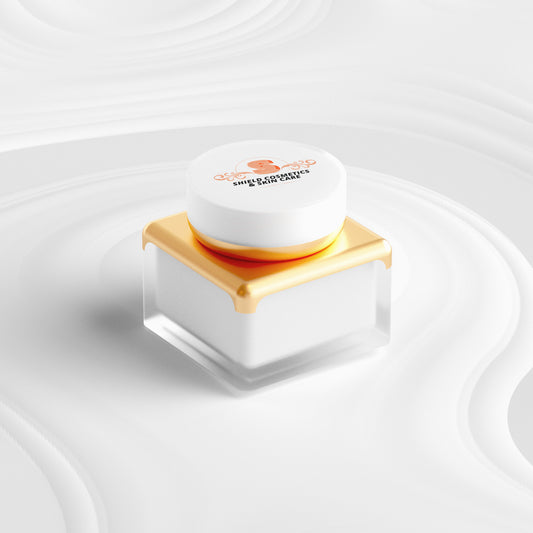


Gentle Exfoliation for Sensitive Skin Made Simple
When your face feels tight after cleansing, makeup catches on dry patches, or a new product leaves your skin stinging, the instinct may be to scrub harder. Usually, that is the moment to do less. Gentle exfoliation for sensitive skin is about lifting away the buildup that makes skin look dull without disturbing the protective barrier that keeps it calm, comfortable, and radiant.
Sensitive skin does not need to miss out on a smoother, more even-looking glow. It simply needs a slower approach, thoughtful ingredients, and a routine that respects what your skin is telling you.
Why sensitive skin needs a softer approach
Exfoliation removes dead surface skin cells. Done well, it can help skin feel smoother, make complexion products apply more evenly, and bring back a fresh-looking finish when dryness and buildup have taken over. Done too often or too aggressively, it can leave sensitive skin looking red, feeling hot, or suddenly reactive to products it normally tolerates.
Your skin barrier is the key. Think of it as your skin's comfort layer: it helps hold onto moisture while keeping everyday irritants from causing unnecessary trouble. Rough scrubs, strong acids, frequent exfoliation, and combining too many active products can weaken that comfort layer. The result is often more dryness, more visible irritation, and less of the glow you were trying to create.
The goal is not to feel a tingle or see instant peeling. The goal is skin that feels soft, hydrated, and balanced after your routine.
Choose your exfoliation method wisely
There are two main ways to exfoliate, and both can work for sensitive skin when the formula and frequency are right.
Physical exfoliation: keep it extremely fine
Physical exfoliants use tiny particles or a soft cloth to loosen dry, flaky surface skin. The trade-off is that products with large, sharp, or uneven particles can create too much friction, especially around the nose, cheeks, and chin. If your skin is easily irritated, skip anything that feels gritty, scratchy, or requires firm rubbing.
A soft, damp washcloth used with a gentle cleanser can be enough for some people. Use light pressure and brief circular motions, then rinse with lukewarm water. This is not a daily step. Once a week may be plenty if your skin tends to feel dry or reactive.
Chemical exfoliation: gentle can be more effective
Chemical exfoliants use ingredients that help loosen dead cells without manual scrubbing. For sensitive skin, milder options are usually the best place to start. Lactic acid is often appreciated for its softer feel and moisture-friendly properties, while polyhydroxy acids, often called PHAs, tend to work more gradually on the surface of the skin.
Stronger acids can be helpful for some concerns, but they are not automatically better. If you are new to exfoliating or your skin reacts easily, choose a low-strength, rinse-off or leave-on formula designed for gentle use. Introduce only one exfoliating product at a time so your skin has a fair chance to show you how it responds.
Build a routine your skin can trust
For most sensitive complexions, exfoliating once a week is a smart starting point. If your skin stays calm for several weeks and you want a little more smoothing support, you may be able to increase to twice weekly. But frequency depends on your whole routine, not just the exfoliant.
If you also use retinol, acne treatments, brightening products, or other active skincare, keep exfoliation on separate nights whenever possible. Stacking multiple active ingredients can turn a promising glow routine into a barrier-repair routine. A little patience protects your progress.
Try this simple evening rhythm:
1. Cleanse with a mild cleanser and lukewarm water.
2. Apply your chosen gentle exfoliant exactly as directed.
3. Follow with a nourishing moisturizer that leaves skin feeling cushioned, not coated.
4. The next morning, wear broad-spectrum sunscreen as part of your daily routine.
Sunscreen matters because freshly exfoliated skin can be more vulnerable to the effects of sun exposure. Daily protection helps preserve the bright, even-looking results you are working toward.
Signs you are exfoliating too much
Over-exfoliation can look surprisingly similar to the concerns people are trying to fix. Skin may appear dull, rough, flaky, or uneven, but it can also feel sensitive, sting when you apply moisturizer, or develop redness that lingers. Breakouts may show up too, particularly when a stressed barrier is trying to compensate.
If this sounds familiar, pause exfoliation for a week or two. Focus on gentle cleansing, simple hydration, and sunscreen. Avoid adding new treatments during that reset. Once skin feels comfortable again, restart slowly with a milder product or less frequent schedule.
A healthy exfoliation routine should not leave your skin burning, tight, shiny in an uncomfortable way, or visibly peeling. Those are not signs that a product is working harder. They are signs that your skin needs more care and less intensity.
Prep skin for makeup without overdoing it
One of the most rewarding benefits of careful exfoliation is how it can improve makeup application. When dry surface buildup is softened, BB cream and other complexion products can glide on more smoothly instead of gathering around texture. The difference is often subtle but confidence-boosting: skin looks more naturally fresh, and you need less effort to create a polished finish.
Still, avoid exfoliating right before a major event if you are trying a product for the first time. Give your skin several days to settle and learn what works. For a dependable everyday glow, consistency is more valuable than a last-minute treatment.
On makeup days, prioritize hydration after exfoliation. A lightweight serum or moisturizer can help create the soft, comfortable base that makeup loves. If your complexion product emphasizes dry patches, that is usually a signal to add moisture, not another exfoliating step.
Ingredients and habits that support a calm glow
Exfoliation works best when it is only one part of your skincare ritual. Look for moisture-supporting ingredients such as glycerin, hyaluronic acid, ceramides, and soothing botanical extracts in the products you use afterward. A fragrance-free option may also be a wise choice for skin that reacts easily, although sensitivity is personal and no single ingredient rule fits everyone.
Pay attention to the details around your routine, too. Hot water, rough towels, cleansing brushes, and frequent face touching can all add irritation. Pat skin dry instead of rubbing it. Keep your routine calm and uncomplicated on exfoliation days. Give your complexion space to recover and reveal its natural radiance.
Patch testing is a helpful habit whenever you introduce an exfoliant. Apply a small amount to a discreet area as directed, then wait to see whether discomfort, itching, or prolonged redness develops. If you have a persistent skin condition, severe sensitivity, or a history of reactions, a dermatologist can offer guidance tailored to your skin.
Gentle exfoliation for sensitive skin is a long-game ritual
The best routine is not the strongest one on the shelf. It is the one you can use consistently while your skin stays comfortable, hydrated, and clear-looking. Start with less, watch for the quiet improvements, and let your skin set the pace.
A softer approach can still deliver beautiful results: smoother texture, a more luminous-looking complexion, and the kind of everyday confidence that comes from caring for your skin instead of fighting it.