


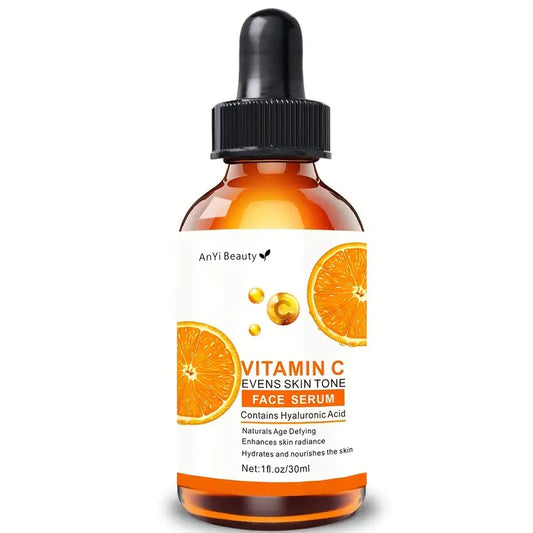

Can Sensitive Skin Use Vitamin C Serum? What to Know Before Adding It
You may have heard that vitamin C is great for your skin. It can brighten dull skin and even out your tone. But if your skin gets red or itchy easily, you may wonder if it is safe for you. Yes, many people with sensitive skin can use vitamin C. You just need to pick a gentle product, test it first, and go slow. Read on to learn how. You will also see how a natural face serum for sensitive skin can support your routine.
Why Vitamin C Can Sting Sensitive Skin
Vitamin C is a strong ingredient. Some forms of it are very strong, and they can feel sharp on your face. If your skin is easily upset, you may notice:
- A stinging or burning feeling right after you apply it
- Redness that does not fade
- Dry, tight, or flaky patches
- Small bumps or breakouts
Do not worry. It usually means the product was too strong, or you started too fast.
What Vitamin C Can Do for You
When your skin handles it well, vitamin C can help you in a few ways:
- It can make dull skin look brighter.
- It works as an antioxidant, which helps protect skin from daily damage.
These changes take time. Give it a few weeks before you decide if it works for you.
What to Look For in a Gentle Formula
Not every product is made for easily irritated skin. Here is what to check on the label:
A gentler form of vitamin C: Pure vitamin C, also called L-ascorbic acid, works well but can irritate. Softer forms, such as sodium ascorbyl phosphate or magnesium ascorbyl phosphate, are often easier on sensitive skin.
A low strength: Experts often suggest starting with a lower amount, around 5 to 10 percent, and moving up only if your skin is happy.
A short ingredient list: The fewer extras, the fewer chances for a reaction.
No added fragrance: Fragrance is a common cause of redness.
Calming helpers: Ingredients that soothe and add water, like aloe, can make a formula feel softer.
A product that is not too sharp: Very acidic products are more likely to sting.
Dark or sealed packaging: Vitamin C breaks down in air and light, so good packaging keeps it fresh.
A good serum for sensitive skin is usually simple. It does a few things well and skips the rest.
Check the Ingredients Before You Buy
Sometimes the vitamin C is not the problem. Other things in the bottle can upset your skin. Look out for:
- Added perfume or strong scents
- Dyes
- Heavy oils that can clog pores
- Harsh alcohol
Many people turn to natural skincare for sensitive skin because they want fewer harsh extras. That is a smart idea. Just remember that natural does not always mean zero reaction. Even plant-based items can bother some skin. So always read the label and test first.
How to Patch Test (Do Not Skip This)
A patch test tells you how your skin feels about a new product before you use it on your whole face. It takes only a minute.
-
Wash and dry a small area, such as the inside of your arm or behind your ear.
-
Put a tiny dot of the product on it.
-
Leave it alone for 48 hours.
-
Check for redness, itching, burning, or bumps.
If your skin looks and feels calm, you can move on. If it reacts, wash it off and do not use that product on your face.
How to Add It to Your Routine
Once your patch test goes well, start slowly. Think of it as getting to know your skin all over again.
- Use it two or three times a week at first.
- Apply it in the morning on clean skin.
- Follow with a soft moisturizer to keep your skin comfortable.
- Finish with sunscreen. Vitamin C works best with daily sun care.
- If your skin stays calm, add one more day each week.
Do not add other strong products on the same day at first. Skip peels and strong anti-aging creams until you know how your skin feels.
Where a Natural Face Serum for Sensitive Skin Fits In
You do not have to rely on vitamin C alone. A calming serum can be a good partner. Using a natural face serum for sensitive skin at night, for example, can add water and comfort after a day of sun and city air. Then your morning routine with vitamin C feels easier on your face.
Shield Cosmetics & Skincare sells skincare made for sensitive skin. The brand lists two Vitamin C Serum options on its site. It also offers a Natural Face Serum that it describes as light, hydrating, and free of irritating additives, made to calm redness and lock in moisture. Check each product page and the ingredient list for details before you buy. A natural face serum for sensitive skin should feel light and never greasy.
When to Slow Down or Stop
Your skin will tell you when something is wrong. Pause your new product if you notice:
- Burning or stinging that does not go away
- New redness or swelling
- Itching or tight skin
- Sudden breakouts
Wash your face with plain water, use a gentle moisturizer, and give your skin a break. Try again later with a lower strength or fewer days each week. If the problem does not go away, talk to a skin doctor. They can help you find what is causing it.
Final Thoughts
Sensitive skin can use vitamin C when you choose wisely. Pick a gentle formula, check the label, patch test, and start slowly. Pair it with a soothing routine and daily sunscreen. With a calm plan, a natural face serum for sensitive skin and a mild vitamin C product can both have a place on your shelf.
Head over to Shield Cosmetics & Skincare and explore the serums and the full range of skincare products.
FAQs
1. Can sensitive skin use vitamin C every day?
Many people can, but start slowly. Use it two or three times a week, then add more days if your skin stays calm.
2. What strength of vitamin C is best for sensitive skin?
A lower strength is a safer start. Many experts suggest around 5 to 10 percent, then moving up only if your skin is fine.
3. How long should a patch test take?
Wait about 48 hours. Check the spot for redness, itching, or burning before you use the product on your face.
4. Should I use vitamin C and a natural face serum for sensitive skin together?
Yes, you can. Many people use vitamin C in the morning and a gentle serum at night. This keeps each step simple and easy to track.
5. What should I do if my skin stings after using vitamin C?
Rinse it off, use a soft moisturizer, and stop for a few days. If the stinging or redness stays, ask a skin doctor for help.