



Dark Spot Routine Results: What to Expect
Dark spot routine results rarely appear overnight, even when your skin is responding beautifully. The most rewarding changes tend to be gradual: a more even-looking complexion, less contrast between dark marks and surrounding skin, and a fresh glow that makes bare skin and makeup both look better. A consistent, gentle routine gives your skin the support it needs to reveal that progress.
Dark spots can feel frustrating because they often stay visible long after a blemish, dry patch, or period of sun exposure has passed. The good news is that thoughtful daily care can make a meaningful difference. The goal is not to rush your skin with harsh treatments. It is to nourish, protect, and support a brighter-looking complexion with habits you can actually maintain.
What Causes Dark Spots to Linger?
Dark spots are areas of extra pigment that can develop after sun exposure, breakouts, irritation, hormonal changes, or skin injuries. A mark left after a pimple is often called post-inflammatory hyperpigmentation. It is your skin’s natural response, but that does not make it any less unwelcome when it lingers around your cheeks, chin, forehead, or jawline.
Sun exposure can deepen existing discoloration and encourage new spots to appear. Even a few minutes outside can matter when skin is already prone to uneven tone. That is why a brightening serum alone is not the full answer. Protection is what helps preserve the progress your routine is working toward.
There is also a reason gentleness matters. Over-scrubbing, picking at blemishes, trying too many new products at once, or using formulas that leave your face stinging can create more irritation. For some complexions, irritation may lead to more visible discoloration. Calm, cared-for skin is better positioned to look clear and radiant.
Dark Spot Routine Results Follow a Timeline
Your starting point matters. A newer, lighter mark may begin to look softer sooner than a deeper spot that has been present for years. Skin tone, sensitivity, sun exposure, hormones, and how consistently you follow your routine can all affect the pace of visible change.
The first two to four weeks
At the beginning, the best results may feel more like comfort than transformation. Skin can start to feel smoother, look more hydrated, and appear less dull. This early glow matters because hydrated skin reflects light more evenly and creates a healthier-looking canvas.
If you are adding a new serum or treatment product, introduce it with care. Start as directed and pay attention to how your skin feels. A product does not need to tingle or sting to be effective. In fact, a routine that feels gentle enough to use consistently is often the smarter long-term choice.
Four to eight weeks of consistency
With steady use, many people begin to notice that fresh marks do not look quite as intense and the overall complexion appears more balanced. Makeup may apply more smoothly because the skin surface looks better hydrated and refined. This is also the point where skipping sun protection can slow visible progress, especially during bright days, errands, vacations, and time spent near windows.
Do not judge your routine by one morning in the mirror. Lighting, sleep, hydration, and your monthly cycle can all change how your skin looks from day to day. Compare photos taken in similar natural light every few weeks instead. It is a more honest way to notice subtle changes.
Eight to twelve weeks and beyond
This is where patience can begin to feel worthwhile. Older spots may gradually look less defined, and the contrast between areas of discoloration and the rest of your complexion may soften. Results vary, but consistency over months gives your skin a fair chance to show what supportive care can do.
Some dark spots need professional guidance, particularly if they are stubborn, widespread, or connected to a medical concern. Any spot that is new, changing in shape or color, bleeding, itchy, or unusual should be checked by a qualified medical professional rather than treated as a cosmetic concern.
Build a Routine Your Skin Will Want to Keep
A dark spot routine does not need a crowded shelf. It needs a few purposeful steps that work together without overwhelming your skin.
Cleanse without stripping
Begin with a gentle cleanser that removes makeup, sunscreen, and daily buildup while leaving your skin comfortable. That tight, squeaky-clean feeling is not a sign that your cleanser is working better. It can be a sign that your moisture barrier needs more care.
Clean skin helps the rest of your routine apply evenly, but aggressive cleansing can work against your goal. Use lukewarm water, avoid rough washcloths, and pat your face dry instead of rubbing.
Treat with brightening, skin-loving care
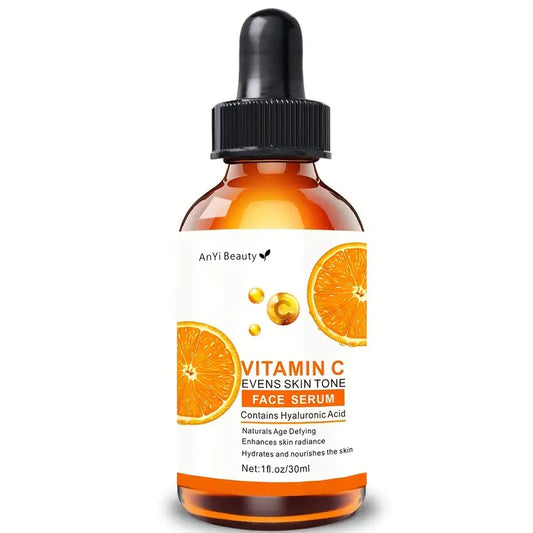
After cleansing, apply a serum or treatment designed to support a more even-looking tone. Look for formulas that focus on hydration and gentle brightening, especially if your skin is sensitive. Ingredients such as vitamin C, niacinamide, licorice root, and other antioxidant-rich botanical ingredients are often welcome additions to a radiance-focused routine.
One treatment product used consistently is usually more helpful than layering several strong products without a plan. If you use exfoliating acids or retinoid products, consider alternating nights and listen to your skin. It depends on your tolerance: resilient skin may handle more frequent treatment, while sensitive or dry skin may need slower pacing.
Moisturize to support your glow
Moisturizer is not an optional extra when you are working on dark spots. It helps keep skin comfortable, soft, and less vulnerable to the dryness that can make texture and discoloration stand out. Choose a formula that feels nourishing without leaving your complexion heavy or greasy.
This step also gives your skin a more luminous finish. When the surface is well moisturized, it can look smoother and more radiant before you ever reach for complexion makeup.
Make sun protection non-negotiable
A broad-spectrum sunscreen is the daytime step that protects your investment in the rest of your routine. Apply it every morning and reapply when you are spending extended time outdoors. Wear it even when the weather looks cloudy, because UV exposure does not disappear with the sun.
Think of sunscreen as daily protection for your glow, not as a punishment or complicated chore. Find a texture you enjoy wearing under makeup or on bare skin. The best sunscreen is the one you will use generously and consistently.
Small Habits That Protect Your Progress
Beyond products, a few everyday choices can make a visible difference. Resist picking at breakouts, no matter how tempting it feels. Avoid using scrubs so rough that your skin looks red afterward. Give new products time, and patch test when you know your skin is reactive.
If you wear makeup, choose complexion products that help you feel polished while your skincare routine does its quiet work. A lightweight BB cream or buildable complexion product can blur the appearance of uneven tone without requiring a heavy finish. At Shield Cosmetics & Skincare, we believe coverage and care can belong in the same confidence-building routine.
Keep your expectations kind and realistic. Social media filters, studio lighting, and heavily edited before-and-after photos can make normal skin look like a problem to solve. Real skin has texture, pores, and natural variation. The goal is not perfection. It is skin that feels cared for and looks more like its healthiest, most radiant self.
When Your Routine Needs an Adjustment
A little patience is wise, but discomfort is a signal to pause. If your skin becomes persistently red, itchy, flaky, painful, or unusually sensitive, simplify your routine. Return to gentle cleansing, moisturizer, and sun protection until your skin feels settled, then reintroduce products slowly.
It may also be time to adjust if you have used a consistent routine for several months with no change at all. Your dark spots may need a different approach, or an underlying trigger such as ongoing acne, melasma, or irritation may need attention. A dermatologist can help you understand your options and build a plan that respects your skin type and tone.
Your routine should feel like a daily act of care, not a race against the mirror. Protect your skin in the morning, nourish it at night, and let each consistent step bring you closer to the clear, confident glow you deserve.