

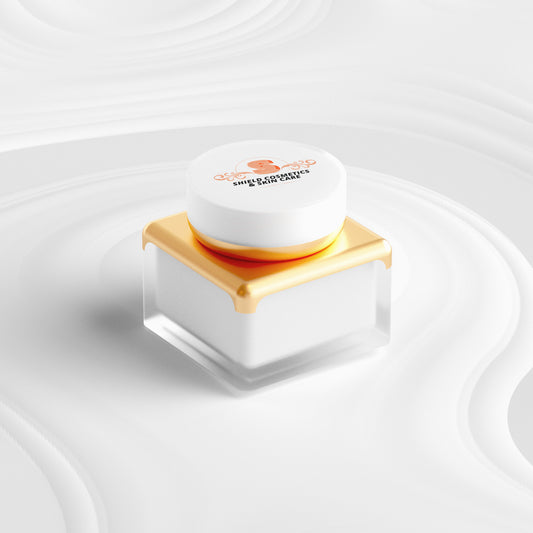


A Gentle Guide to Makeup for Rosacea Skin
When your cheeks are warm, flushed, or feeling reactive, the last thing you need is makeup that looks heavy or makes your skin feel worse. This guide to makeup for rosacea is designed to help you create even-looking, luminous coverage while treating your complexion with the patience and gentleness it deserves.
Rosacea does not mean you have to hide your face or skip the beauty rituals that make you feel like yourself. The goal is not to erase every bit of natural color. It is to soften the look of visible redness, support a more comfortable finish, and build confidence with products and techniques that feel good from the first layer to the last.
Start With Calm, Hydrated Skin
A beautiful makeup finish starts before foundation. Rosacea-prone skin can be sensitive to friction, dryness, heat, and an overloaded routine, so preparation should feel simple and nourishing rather than complicated.
Begin with a gentle cleanse using lukewarm water. Very hot water can leave skin looking more flushed, while aggressive rubbing can make it feel irritated. Pat your face dry with a soft towel instead of dragging it across the skin. Follow with a lightweight moisturizer that helps your complexion feel cushioned and comfortable. Give it a few minutes to settle before applying makeup.
Sunscreen matters, too. Sun exposure is a common trigger for many people with rosacea, and daily broad-spectrum SPF can help protect skin while preserving the smooth, cared-for base you worked to create. Choose a formula your skin already tolerates well, and let it set before moving on.
If your face feels especially reactive that day, simplify. A moisturizer, sunscreen, and a small amount of complexion coverage may look fresher than trying to build a full face over skin that needs a break.
Choose Coverage That Works With Your Skin
The best makeup for rosacea is usually not the heaviest formula in your makeup bag. Full coverage can be useful for events or days when you want more correction, but thick layers may settle into dry patches, emphasize texture, or feel uncomfortable after hours of wear. Buildable coverage gives you more control.
A skin-loving BB cream or lightweight complexion product is often a beautiful place to start. Look for a shade that matches your neck and chest, not just the center of your face. When redness is present, it can be tempting to choose a deeper or more yellow shade to compensate, but a true match creates the most natural result.
Apply a thin layer first, focusing on the areas where you want a more even appearance. Let your natural skin show through where it already looks calm. Then add a little more product only where redness is more noticeable, such as the cheeks, around the nose, or across the chin.
Should You Use Green Color Corrector?
Green color corrector can visually soften red tones because green sits opposite red on the color wheel. It can be helpful, especially for concentrated redness, but it is not mandatory. Too much can leave a gray or dull cast beneath foundation, particularly if your skin tone is medium to deep.
If you use it, apply the tiniest amount only to the red areas and tap it into place. Follow with a complexion product that matches your skin. For diffuse redness, a well-matched BB cream or foundation may be all you need.
Apply Makeup With a Soft Touch
Technique can make as much difference as the formula. Rubbing, buffing aggressively, or repeatedly going over one spot may irritate sensitive skin and disrupt the coverage you just applied. Think press, tap, and gently blend.
Clean fingertips can work well because the warmth helps a lightweight formula melt into the skin. A soft, freshly washed makeup sponge is another good option for sheer, even coverage. If you prefer a brush, choose one with soft bristles and use light stippling motions instead of vigorous circular buffing.
Work in thin layers. Start at the center of the face and blend outward with minimal pressure. For extra coverage, let the first layer settle, then press a small amount of product onto the areas that still need it. This approach prevents the makeup from becoming cakey and keeps your finish looking more like skin.
Clean tools are especially worth prioritizing. Brushes, sponges, and pillowcases can collect makeup residue, oil, and bacteria over time. Regular washing is a small self-care habit that supports a cleaner, more comfortable routine.
Conceal Strategically, Not Everywhere
Concealer is most effective when you use it as a finishing tool rather than a second full layer of foundation. After your base is applied, add a small amount only where you want added coverage. Common areas include the corners of the nose, a few visible red spots, and under the eyes.
Choose a creamy concealer that does not feel drying. A shade close to your foundation color works well for redness, while a slightly brighter shade can lift the under-eye area. Press it on with a fingertip or sponge, then stop blending once the edges disappear. Overworking concealer can remove the coverage you wanted in the first place.
If you powder, keep it light. A finely milled setting powder can help with shine in the T-zone, but a heavy matte finish may make dry or textured areas more noticeable. Press a little powder where you tend to crease or become oily, and leave the rest of the complexion softly radiant.
Bring Back Dimension With Rosacea-Friendly Color
Once redness is neutralized, the face can sometimes look flatter than usual. The answer is not necessarily more foundation. A little intentional color can restore warmth and definition in a way that feels polished, healthy, and effortless.
Choose blush thoughtfully. Powder blush can work beautifully when your skin is feeling balanced, while a creamy formula may blend more naturally over a dewy base. Peach, soft rose, warm berry, and muted coral shades can bring life to the complexion without competing with areas of redness. The best shade depends on your undertone and how much visible flush you want to embrace.
Place blush slightly higher on the cheekbones and blend outward toward the temples. This can create a lifted look without concentrating more color directly over the center of the cheeks. If redness is strongest there, use a lighter hand or keep blush closer to the outer face.
Bronzer and highlighter are optional. A soft bronzer can add gentle warmth around the perimeter of the face, while a subtle, non-glittery glow on the high points can make skin look fresh. If your skin has texture or feels inflamed, skip intense shimmer. A radiant cream finish often looks more natural than sparkly particles.
Keep Eye and Lip Makeup Comfortable
A refined eye and lip look can shift attention toward the features you love without asking more of your complexion. Neutral shadows, softly defined lashes, groomed brows, and a nourishing lip color can make even a minimal base feel complete.
For sensitive eyes, avoid applying products too close to the waterline if they tend to cause discomfort. Choose shades that make you feel bright and confident, whether that is a soft brown liner, a wash of champagne shadow, or a classic mascara moment.
On the lips, creamy lipstick, tinted balm, or gloss can add instant polish. If your complexion is flushed, a warm nude, rosy mauve, berry, or soft red can create a balanced, intentional look. There are no rules saying you must avoid red lipstick because of facial redness. The right red can feel powerful and beautifully put together.
Know When Less Is More
Rosacea can change from day to day. What works beautifully one week may not feel right during a flare, after a long flight, or during dry weather. Pay attention to how your skin responds, and let your routine adapt.
On calmer days, you may enjoy a full complexion routine with blush and a soft glow. On more sensitive days, a nourishing base, spot concealer, mascara, and lip color may be the better choice. Both are real makeup looks, and both can help you feel polished.
Before introducing a new formula, patch test it when possible. If you experience persistent burning, stinging, swelling, or worsening redness, stop using the product and speak with a dermatologist. Makeup can enhance the look of rosacea, but professional care can be helpful when symptoms are difficult to manage.
Shield Cosmetics & Skincare believes your beauty routine should feel like care, not compromise. Let your makeup enhance your radiance, protect your comfort, and remind you that confident skin does not have to look perfect to look beautiful.