



How to Build Sensitive Skin Routine Right
Your skin can look calm in the morning and feel tight, red, or reactive by dinner. That is exactly why learning how to build sensitive skin routine matters - not as a trend, but as a way to protect your glow without pushing your skin past its limit.
Sensitive skin usually does not need more products. It needs better choices, gentler timing, and formulas that support comfort while still delivering visible results. If your skin stings when you try a new serum, flushes after cleansing, or seems to react to weather, fragrance, or over-exfoliation, the goal is not to give up on skincare. The goal is to build a routine that feels nourishing, steady, and realistic enough to stick with.
How to Build Sensitive Skin Routine From the Ground Up
The first step is understanding what your skin is asking for. Sensitive skin is not always a skin type by itself. Sometimes it overlaps with dryness, acne, oiliness, or signs of aging. That matters, because a routine for sensitive and dry skin will look different from one for sensitive, breakout-prone skin.
Still, most reactive skin has one thing in common: a weaker skin barrier. When that barrier is stressed, skin loses moisture faster and becomes more vulnerable to irritation. You might notice burning, rough patches, redness, flaking, or that uncomfortable feeling where everything suddenly seems too strong. A good routine should help your skin hold onto hydration, stay balanced, and recover more easily.
That means keeping the routine simple at first. If your current shelf is packed with acids, scrubs, retinoids, masks, and active-packed cleansers, your skin may be telling you to scale back. A shorter routine often gives sensitive skin better results than a crowded one.
Start With a Gentle Cleanser
Cleansing should remove buildup without leaving your face squeaky, stripped, or hot. That tight after-wash feeling is not a sign that your skin is extra clean. It is usually a sign that your cleanser is too harsh.
Look for a formula that feels creamy, milky, or soft-foaming rather than aggressively lathering. For many people with sensitive skin, washing with lukewarm water and a gentle cleanser once at night is enough, while a light rinse in the morning may be all they need. If you wear heavy makeup or long-wear SPF, a double cleanse can help, but it depends on your skin. Sensitive skin may tolerate a cleansing balm followed by a mild cleanser better than one strong face wash.
If your skin feels irritated often, avoid using cleansing tools, rough washcloths, or gritty scrubs. Your hands are usually the gentlest option.
Make Moisturizer the Center of the Routine
If there is one step sensitive skin should not skip, it is moisturizer. A good moisturizer does more than soften the surface. It helps seal in hydration and supports the skin barrier so your face feels less reactive over time.
Texture matters here. If your skin is dry and sensitive, richer creams can feel comforting and help reduce that tight, fragile feeling. If your skin is combination or oily but still reactive, a lightweight lotion or gel-cream may be more comfortable and easier to use consistently.
What you want is a formula that leaves skin cushioned, smooth, and calm instead of greasy or overloaded. Natural, soothing ingredients can be a beautiful match for sensitive skin when they are used thoughtfully, but even gentle ingredients can irritate some people. That is why patch testing still matters.
SPF Is Non-Negotiable
Sun exposure can make sensitivity worse. It can deepen redness, aggravate dryness, and make skin feel hotter and more reactive. Daily SPF is not just about long-term skin health. It is part of keeping your complexion comfortable and even-looking right now.
Choose a sunscreen you will actually want to wear. For sensitive skin, that often means a formula that feels lightweight, non-irritating, and easy to layer under makeup. If a sunscreen pills, burns your eyes, or feels heavy, you will be less likely to use enough. Consistency is what protects your radiance.
This is especially important if you are using any treatment products, even gentle ones. Skin that is already working on renewal needs extra protection.
Add Treatments Slowly, Not All at Once
This is where many sensitive skin routines go wrong. You see a product promising glow, firmness, clarity, or smoother texture, and it is tempting to add three more that promise the same. But sensitive skin responds best when you introduce one treatment at a time and give it room to prove itself.
A calming serum can be a smart next step after cleanser and moisturizer are working well. Hydrating formulas often fit more easily into reactive routines than strong resurfacing products. If your goals include brightening, softening fine lines, or improving uneven texture, start with lower-strength treatments and use them less often at first.
It helps to ask a simple question before adding anything new: is this product solving a real need, or is it just adding more noise? Sensitive skin routines improve when each product has a clear job.
How to Build Sensitive Skin Routine for Morning and Night
Your morning routine should focus on protection and comfort. For many people, that means a gentle cleanse or rinse, a hydrating or soothing layer if needed, moisturizer, and SPF. If you wear makeup, skin-prep products should help it glide on instead of clinging to dry patches or emphasizing irritation.
At night, think of your routine as repair time. Cleanse away the day, apply a treatment only if your skin is tolerating one well, and finish with moisturizer. If your skin feels compromised, skip the extra actives and lean into simple hydration instead. One calm, consistent week often does more for sensitive skin than one ambitious night routine.
Common Triggers That Can Disrupt Progress
Sometimes the problem is not your entire routine. It is one habit that keeps setting your skin back. Hot water, over-cleansing, frequent exfoliation, fragranced formulas, and too many new launches at once are common triggers. Even makeup removers and setting sprays can quietly contribute to irritation if they contain ingredients your skin does not love.
Seasonal changes also matter. In winter, sensitive skin may need a richer moisturizer and fewer active products. In summer, sweat and sun exposure can increase reactivity, so lightweight hydration and dependable SPF become even more important. A smart routine is not rigid. It adjusts to what your skin is dealing with.
Patch Testing Is Worth the Extra Step
Patch testing does not feel glamorous, but it saves a lot of frustration. Apply a small amount of a new product to a discreet area, such as near the jawline or behind the ear, for several days before using it all over your face. That gives you a better read on whether your skin can handle it.
This step matters even more when you are trying treatments, exfoliants, or anything with a long ingredient list. Sensitive skin can be selective, and there is nothing wrong with that. The routine that transforms your complexion is usually the one that respects your skin’s limits.
What a Simple Sensitive Skin Routine Can Look Like
A strong routine does not need to be complicated. It can be as straightforward as a gentle cleanser, a nourishing moisturizer, and daily SPF, with one carefully chosen serum added only after your skin feels stable. That balance gives your skin support without overwhelming it.
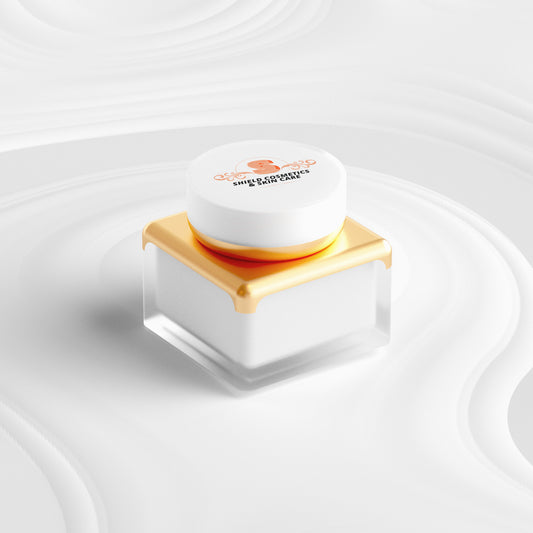
If you want a more polished, radiant finish, that can still fit into a sensitive-skin approach. The key is choosing products that multitask well and layer comfortably. Affordable, gentle skincare has come a long way, and brands like Shield Cosmetics & Skincare reflect that shift by making skin-supportive beauty feel both accessible and elevated.
When to Scale Back
If your skin suddenly feels hot, itchy, flaky, or more reactive than usual, resist the urge to treat every symptom with another product. This is often the moment to simplify. Go back to the basics for a few days: gentle cleanse, moisturizer, and SPF. Once your skin feels calmer, you can decide whether a treatment deserves a second chance.
There is a difference between a product working and a product challenging your skin into submission. Sensitive skin usually rewards patience more than intensity.
Building the right routine is less about chasing perfection and more about creating daily care your skin can trust. When your products feel soothing, your barrier stays stronger, and your glow starts to look effortless, sensitive skin stops feeling like a limitation and starts feeling manageable.