


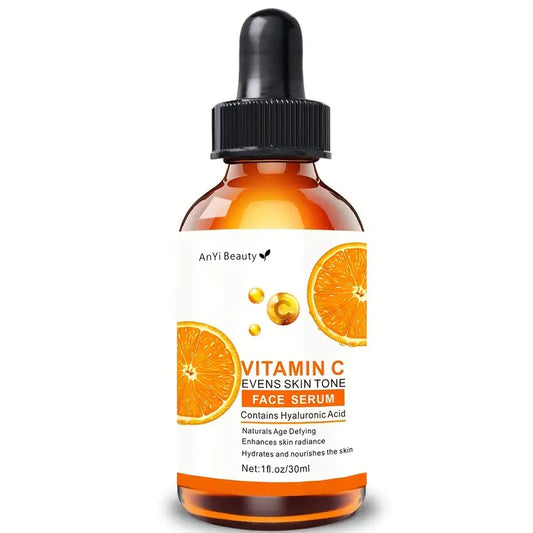

How to Layer Face Serums for a Healthy Glow
A good serum can make your skin look freshly hydrated, brighter, and more even. But when you have more than one formula on your bathroom shelf, applying them in the wrong order can leave your skin feeling sticky, irritated, or like your products never quite sink in. Learning how to layer face serums helps every step of your routine work harder for the glow, comfort, and visible care your skin deserves.
Why Serum Order Makes a Difference
Face serums are lightweight treatments made to deliver targeted ingredients, whether you are focused on dryness, dullness, uneven-looking tone, fine lines, or breakouts. They usually contain more concentrated ingredients than a basic moisturizer, so the order you use them can affect both comfort and results.
As a simple rule, apply your thinnest, water-based formulas first and richer, oil-based formulas later. Lightweight serums need direct contact with clean skin to absorb well. Heavier textures can create a soft barrier on top, which is wonderful for sealing in moisture but can make it harder for a thinner product to reach the skin if used too soon.
Texture is more useful than the product name alone. Not every serum has the same base, and a gel serum, milky serum, or facial oil may behave differently. A quick look at the label and a small amount on your fingertips can tell you a lot about where it belongs in your routine.
How to Layer Face Serums in the Right Order
Start with clean skin. Use a gentle cleanser that removes makeup, sunscreen, and daily buildup without leaving your face tight or stripped. If you use a toner or facial mist, apply it after cleansing and before your serums. Your skin should feel lightly damp, not dripping wet.
Apply treatment serums first
Your first serum should usually be the lightest formula and the one designed to address your main skin goal. In the morning, that might be a brightening vitamin C serum for a more radiant-looking complexion. At night, it may be a refining serum with a gentle exfoliating ingredient or a retinoid-focused treatment for signs of aging.
Use only the amount recommended on the package. More product does not mean faster results. Two to three drops or a small pump is often enough for the face and neck. Warm the serum between clean fingertips, then press it over your skin instead of rubbing aggressively.
Give the first layer about 30 to 60 seconds to settle. You do not need to wait until your face feels completely dry. The goal is simply to avoid immediately mixing the next product into a wet layer and causing pilling.
Follow with hydration and comfort
After a targeted treatment, apply a hydrating serum. Hyaluronic acid, glycerin, aloe, and other moisture-loving ingredients can help skin look plumper, smoother, and more refreshed. This is an especially helpful step if your skin feels dry, if you use makeup, or if you are introducing a more active treatment.
Hydrating serums often perform beautifully on lightly damp skin. If your face has dried completely after the first serum, press a little water into your palms and gently pat it onto your skin before applying your hydration layer. Then follow promptly with moisturizer to help hold that moisture in.
Save facial oils for later
If you use an oil serum, apply it after water-based serums and usually after moisturizer. Oils are excellent for softening dry areas and supporting a nourished finish, especially in a nighttime routine. However, they are not a replacement for water-based hydration. Think of them as a comforting final layer that helps lock in the benefits of the steps beneath.
If your skin is oily or prone to congestion, you may prefer to skip facial oil or use just one or two drops on dry spots. A routine should feel supportive, never heavy. Your skin type, climate, and makeup preferences all matter.
Finish with moisturizer and sunscreen
Moisturizer is the step that brings your serum routine together. It helps reduce moisture loss and leaves skin feeling balanced rather than coated. Choose a lightweight cream or gel moisturizer during the day if you prefer a smooth base for makeup, and reach for something richer at night when skin needs extra comfort.
Every morning routine should end with broad-spectrum sunscreen. Serums can improve the appearance of your skin, but daily sun protection helps protect the progress you are working toward. Apply sunscreen after moisturizer, and let it set before makeup, BB cream, or other complexion products.
Which Serums Can You Use Together?
Some combinations fit naturally into the same routine. A brightening serum followed by a hydrating serum is a popular morning pairing. Niacinamide is also generally easy to work into many routines because it supports a calmer, more balanced-looking complexion and layers well with hydration-focused products.
Other combinations require more care. Exfoliating acids, retinoids, and stronger acne treatments can all be effective, but using multiple intensive products at once may lead to redness, flaking, or sensitivity. If you are new to active skincare, use one treatment product at a time and build slowly.
For example, you might use a gentle vitamin C serum in the morning, then use a retinoid serum only on selected evenings. On another night, you could choose a hydrating serum instead of an exfoliating treatment. Alternating active products can still deliver visible results while giving your skin time to stay comfortable.
Pay attention to your skin rather than following a crowded routine just because it looks impressive. Stinging, persistent tightness, new dryness, or increased sensitivity are signs to simplify. A gentle, consistent routine often creates a more beautiful result than layering too many powerful formulas.
A Simple Morning and Night Serum Routine
Your morning routine can be focused on radiance, hydration, and protection. After cleansing, apply a lightweight brightening or antioxidant serum, then a hydrating serum if your skin needs it. Follow with moisturizer and sunscreen. This approach keeps skin comfortable and creates a smooth-looking canvas for makeup.
At night, your routine can focus on restoration. Cleanse thoroughly, then choose one treatment serum based on your goals. On retinoid or exfoliation nights, follow with a hydrating serum and a nourishing moisturizer. On nights when your skin feels sensitive or depleted, skip strong actives and focus on simple hydration and moisture instead.
You do not need three or four serums twice a day to care for your skin well. One serum can be enough, especially when it is selected for your most pressing concern. Two serums are often plenty for people who want targeted care plus hydration without adding unnecessary steps.
How to Prevent Pilling and Irritation
Pilling happens when products roll into tiny flakes or balls on the skin. It can occur when you apply too much, rush through layers, or combine formulas that do not sit well together. Keep your application light, press products in gently, and allow a brief pause between each layer.
Be especially mindful before makeup. A rich serum, thick moisturizer, sunscreen, and complexion product can all be part of a beautiful routine, but excess product can make foundation separate. On makeup days, choose lighter layers and give sunscreen a few minutes to set before applying your complexion products.
Patch test a new serum before using it across your face. Apply a small amount to a discreet area, such as along the jawline or behind the ear, and watch for irritation over the next day or two. If you have a skin condition, are pregnant, or use prescription skincare, check with a dermatologist before adding active ingredients.
Build a Routine Your Skin Can Love
The best way to layer face serums is not about owning the most products. It is about choosing gentle formulas that support your skin goals, applying them from lightest to richest, and giving your routine time to work. Start with one targeted serum, add hydration when needed, and protect your glow with moisturizer and sunscreen.
Your skin does not need perfection to look cared for. It needs consistency, patience, and a routine that leaves you feeling confident every time you look in the mirror.